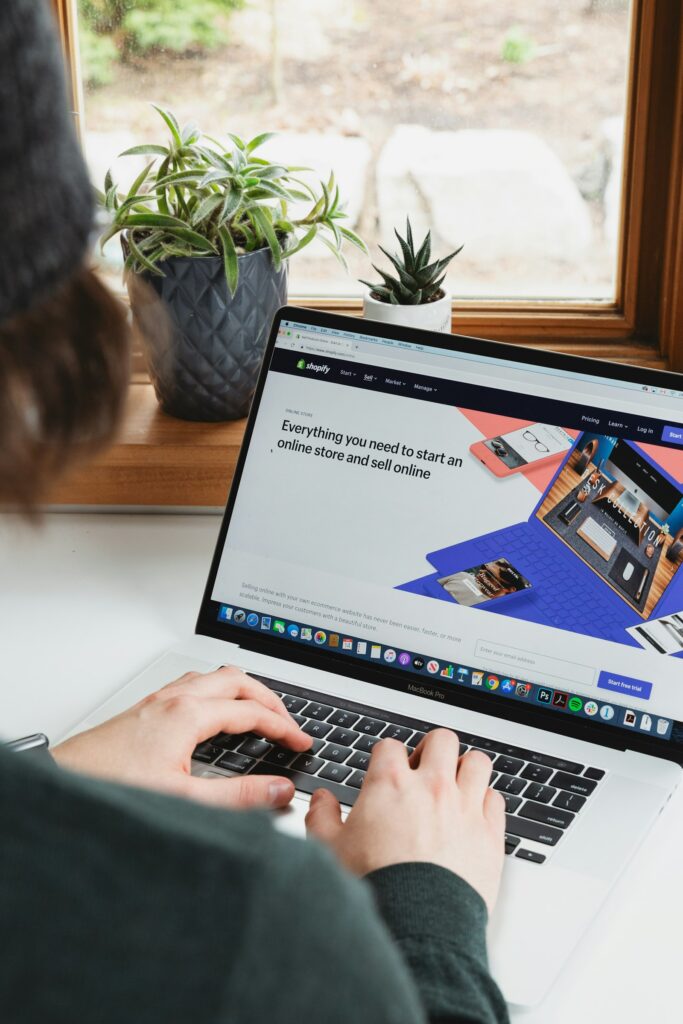
“How much does an ecommerce website cost in Malaysia?” is the right question to ask and the hardest to answer in one number, because two online stores can look identical and cost three times apart depending on what’s underneath. So instead of a single figure, here’s the real range, the platform decision that drives most of it, and the specific factors that move your quote up or down — so you can budget honestly instead of being surprised.
The short answer: what ecommerce costs in Malaysia
A professionally built ecommerce website in Malaysia typically starts from around RM9,800 for a WooCommerce store and RM14,800 for a Shopify build, and rises from there with the number of products, custom features, and integrations. Bare template stores can be cheaper; large or heavily customised marketplaces cost considerably more. On top of the build, budget for ongoing costs — platform fees, hosting, and maintenance — which many first-time sellers forget.
Platform first: Shopify vs WooCommerce (and what each costs)
The single biggest driver of cost — and of how your store runs afterwards — is the platform. For most Malaysian businesses it comes down to two:
Shopify — a hosted platform. You pay a monthly fee (roughly USD 25–40/month on standard plans) and, in return, get a bulletproof checkout, hosting handled, and a system your team can run without a developer. Build cost typically from RM14,800. Best when you want to run the store yourself with minimum technical fuss.
WooCommerce — an open-source plugin for WordPress. No monthly platform fee, and you own the whole thing end to end, but you’re responsible for hosting, security, and updates (or you pay someone to handle them). Build cost typically from RM9,800. Best when you want full ownership and control, and don’t mind a maintenance plan.
Neither is “cheaper” once you count the full picture — Shopify shifts cost into monthly fees; WooCommerce shifts it into hosting and maintenance. The right choice depends on your catalogue, your team, and how hands-on you want to be. A good developer will tell you honestly which fits, not just build whichever they prefer.
Not sure which platform fits your store? Tell us your catalogue and how your team works — we’ll recommend Shopify or WooCommerce honestly, with a fixed quote. Talk to us →
What actually moves the price
Two ecommerce quotes differ mostly because of these:
- Number of products. Twenty products and two thousand are different jobs — setup, categorisation, and content all scale with the catalogue.
- Custom features. Standard cart-and-checkout is priced in. Subscriptions, product bundles, memberships, booking, multi-vendor, or unusual pricing logic add cost because they add build.
- Integrations. Connecting your store to accounting software, a POS system, shipping providers, or an existing CRM takes work — and each integration is its own small project.
- Payment methods. The essentials Malaysian shoppers expect — FPX, GrabPay, cards — are standard. Less common gateways or custom payment flows add time.
- Design complexity. A clean store on a solid theme costs less than a bespoke, brand-heavy design with custom animations and layouts.
- Content readiness. Product photography, descriptions, and category structure — if you supply them ready, the build is faster; if the developer produces them, that’s added scope.
- Migration. Moving an existing store (products, customers, orders, and — critically — SEO redirects so you don’t lose rankings) is real work that a fresh build doesn’t have.
The ongoing costs people forget
The build price is only part of it. Budget for these too, or they’ll surprise you:
- Platform / hosting. Shopify’s monthly plan, or WooCommerce hosting (typically RM30–100/month).
- Payment gateway fees. A percentage of every transaction, charged by the gateway — separate from your build.
- Maintenance. WooCommerce especially needs updates, backups, and security handled. Website care plans in Malaysia run from around RM280/month.
- Apps / plugins. Extra functionality often comes as paid add-ons with their own monthly fees.
- Marketing. A store with no traffic sells nothing — factor in SEO and/or ads to actually bring buyers.
A realistic ecommerce budget is the build plus twelve months of running costs. Sellers who plan only for the build are the ones who feel blindsided in month two.
Cheap vs worth it
You can get an ecommerce site in Malaysia for under RM3,000. Sometimes that’s the right call — testing an idea, a tiny catalogue, a side project. But a cheap template store tends to cost more later: it’s slower, harder to customise, weaker at converting, and often needs rebuilding once the business is serious. If ecommerce is a real channel for you — not an experiment — the RM9,800+ range buys a foundation that grows with you instead of one you outgrow.
How to budget honestly
- Decide how central ecommerce is. A core sales channel justifies a real build; a low-stakes trial might not.
- Count your products and must-have features. This drives most of the quote.
- Pick a platform lane (or ask a developer to recommend one) — it sets the cost structure.
- Add twelve months of running costs, not just the build.
- Name your range when you enquire. “RM10,000–15,000 including first-year running costs” gets you a far more useful proposal than making the developer guess.
See how the platform choice plays out in our Scentses & Co case study — a Shopify store built for a growing Malaysian fragrance brand, where the priority was a checkout and product pages that convert.
FAQ
How much does an ecommerce website cost in Malaysia?
Professionally built stores typically start from RM9,800 (WooCommerce) and RM14,800 (Shopify), rising with the number of products, custom features, and integrations. Budget also for ongoing costs — platform fees, hosting, and maintenance.
Is Shopify or WooCommerce cheaper?
Neither, once you count everything. Shopify has a lower maintenance burden but a monthly platform fee; WooCommerce has no platform fee but you pay for hosting and maintenance. The right choice depends on your catalogue and how hands-on your team wants to be.
What ongoing costs should I expect?
Platform or hosting fees, payment gateway transaction fees, maintenance (from ~RM280/mo), any paid apps or plugins, and marketing to bring in traffic. Plan for the build plus twelve months of running costs.
Can customers pay with FPX and e-wallets?
Yes — FPX, GrabPay, and cards are standard on a properly built Malaysian ecommerce store. These are the payment methods local shoppers expect.
Related articles
- What to Prepare Before Hiring a Web Agency (Malaysia)
- How to Turn Your Website Into a Lead Generation System
Related service / case study
→ Ecommerce Website Development in Malaysia · Pricing · Scentses & Co case study